Where relations are enacted.
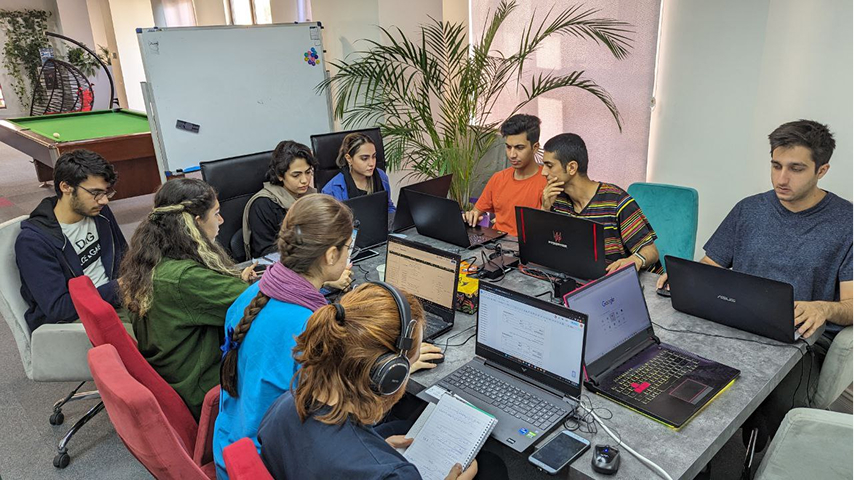
No-Land Studio is a multidisciplinary design practice working across research, products, services, communication, experiences and learning initiatives. We explore cultures, lived experiences and evolving contexts; make tensions visible and bring together people, ideas, materials and practices into situated responses.
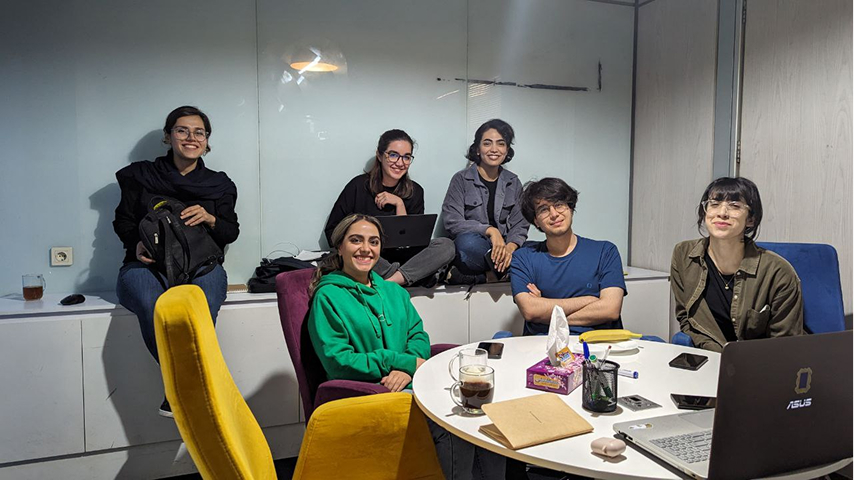
Based in the Netherlands and working through a distributed network of collaborators, the Studio is increasingly developing participatory and relational approaches to questions situated in neighbourhoods, organisations and public life.
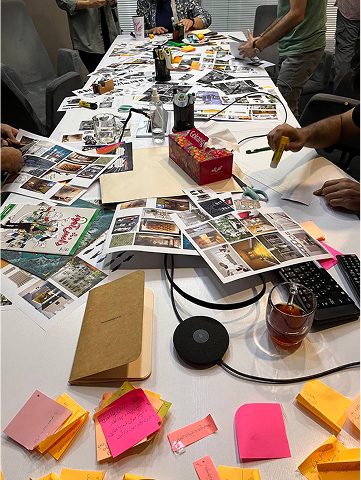
Rather than applying predefined methods or universal solutions, we work through inquiry, dialogue, experimentation and collaborative making. Our projects move between research and intervention: understanding how people experience a situation, creating conditions for different perspectives to meet, and developing material, spatial or communicative propositions through which new possibilities can be tested.
Crafted in transition
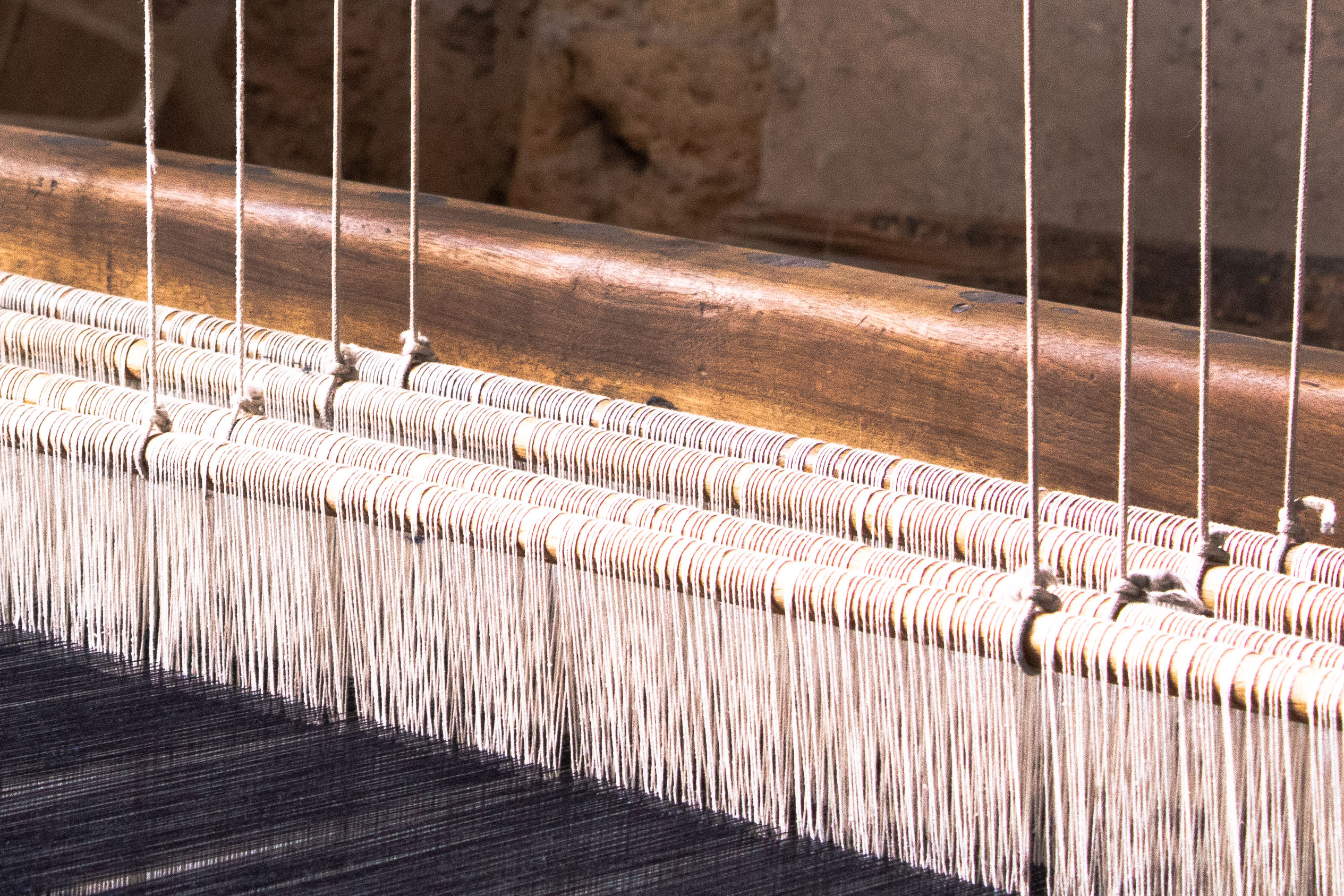
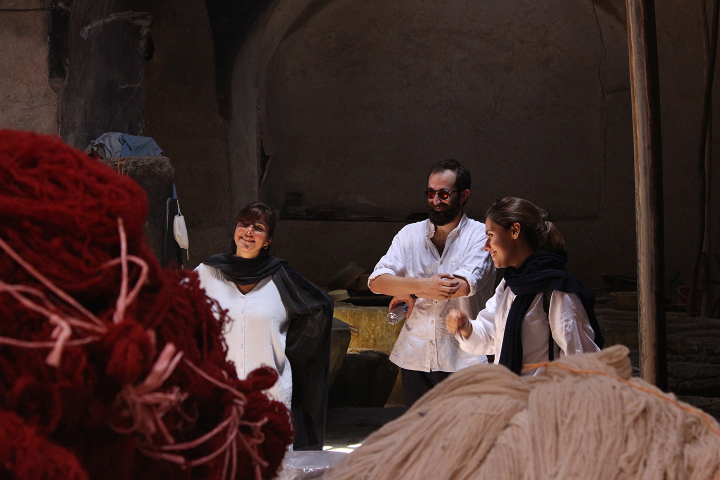
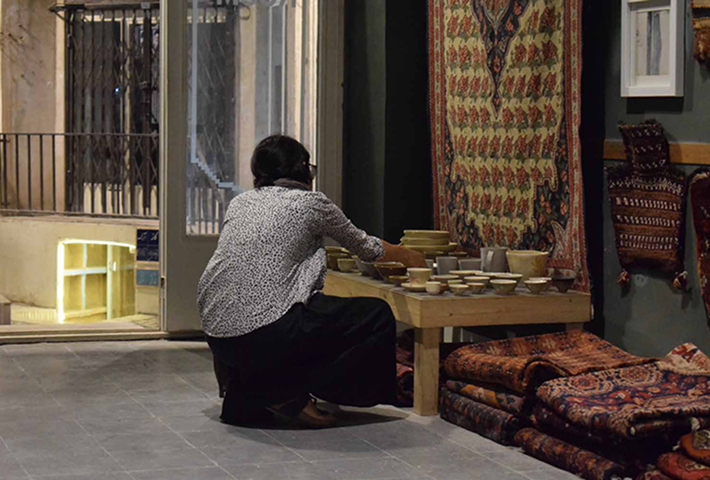
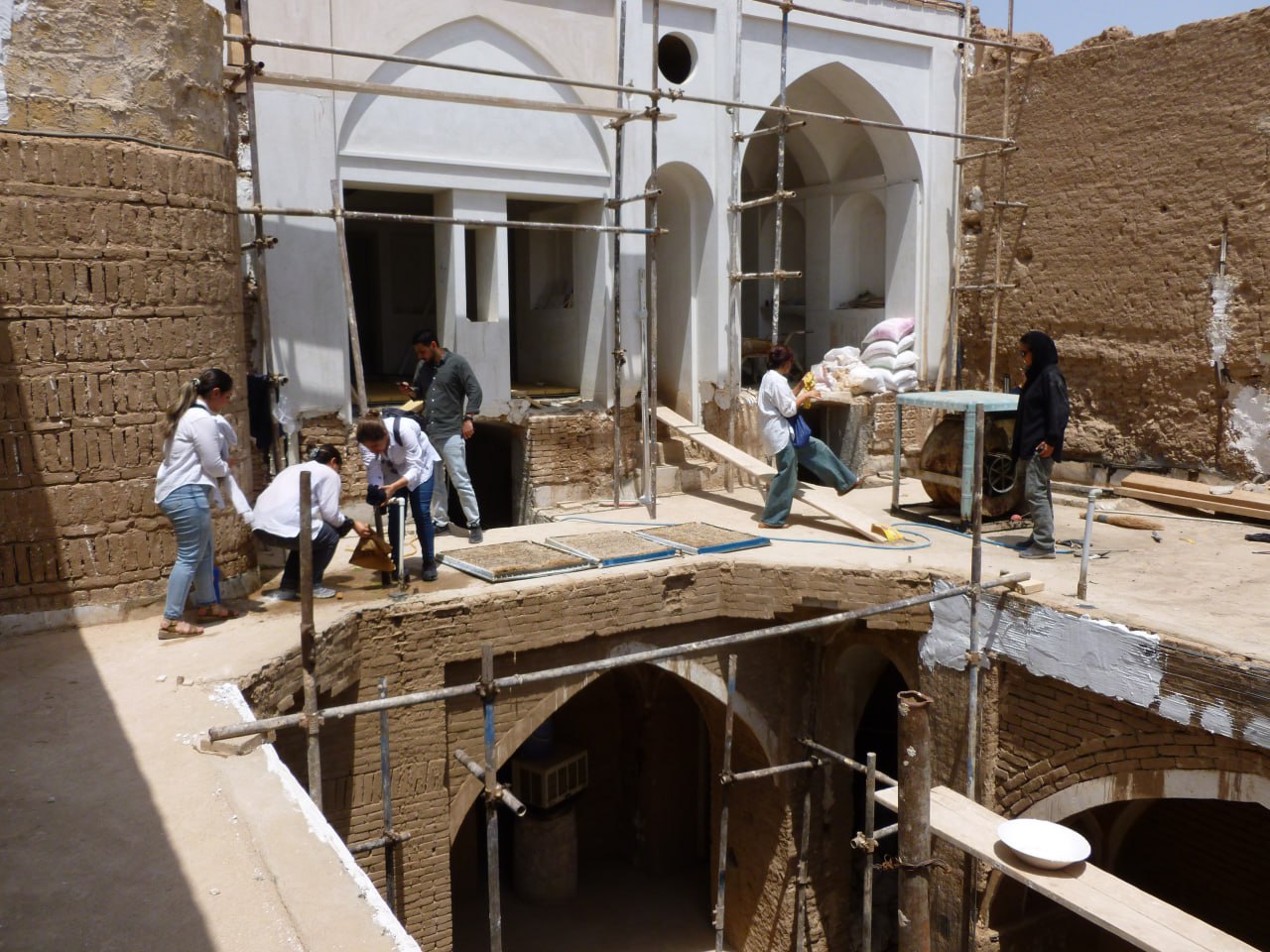

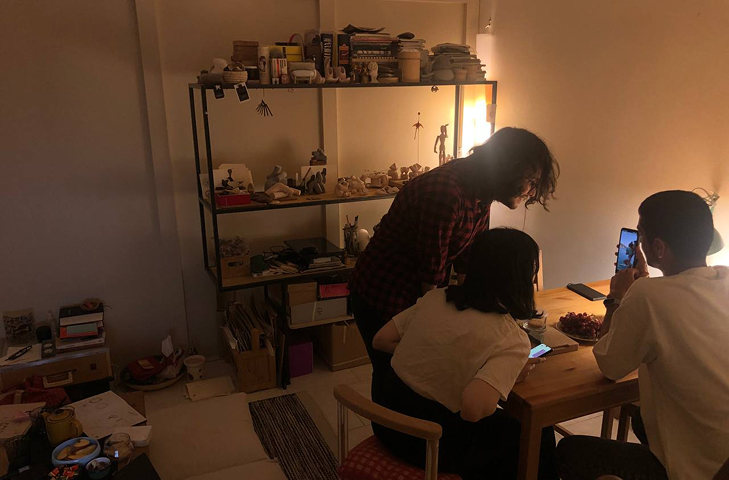
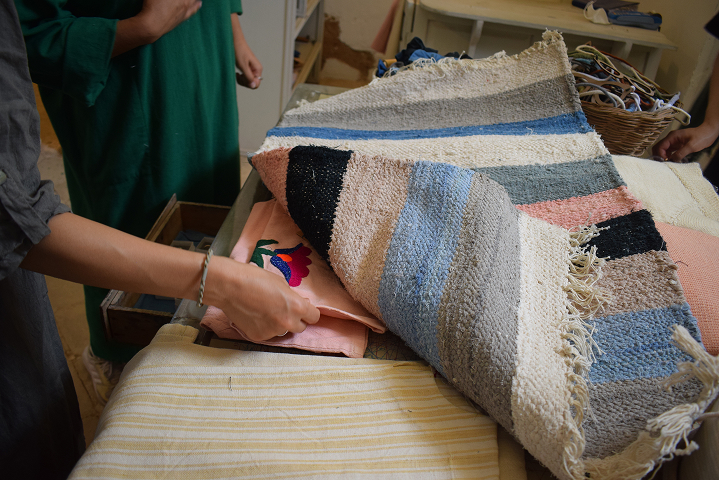


Collaborations across craft, change, and ecological uncertainty
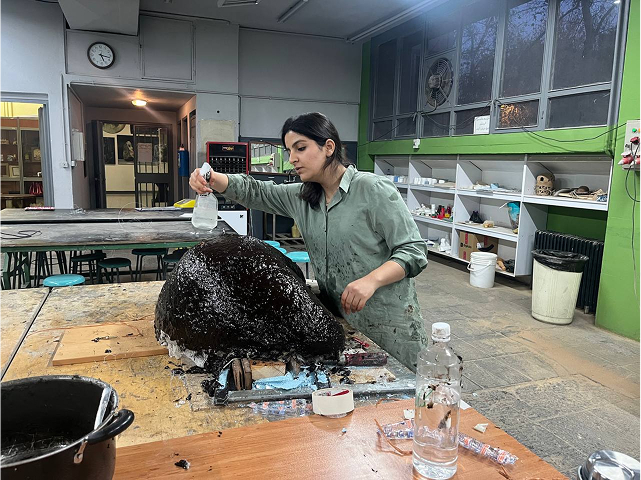
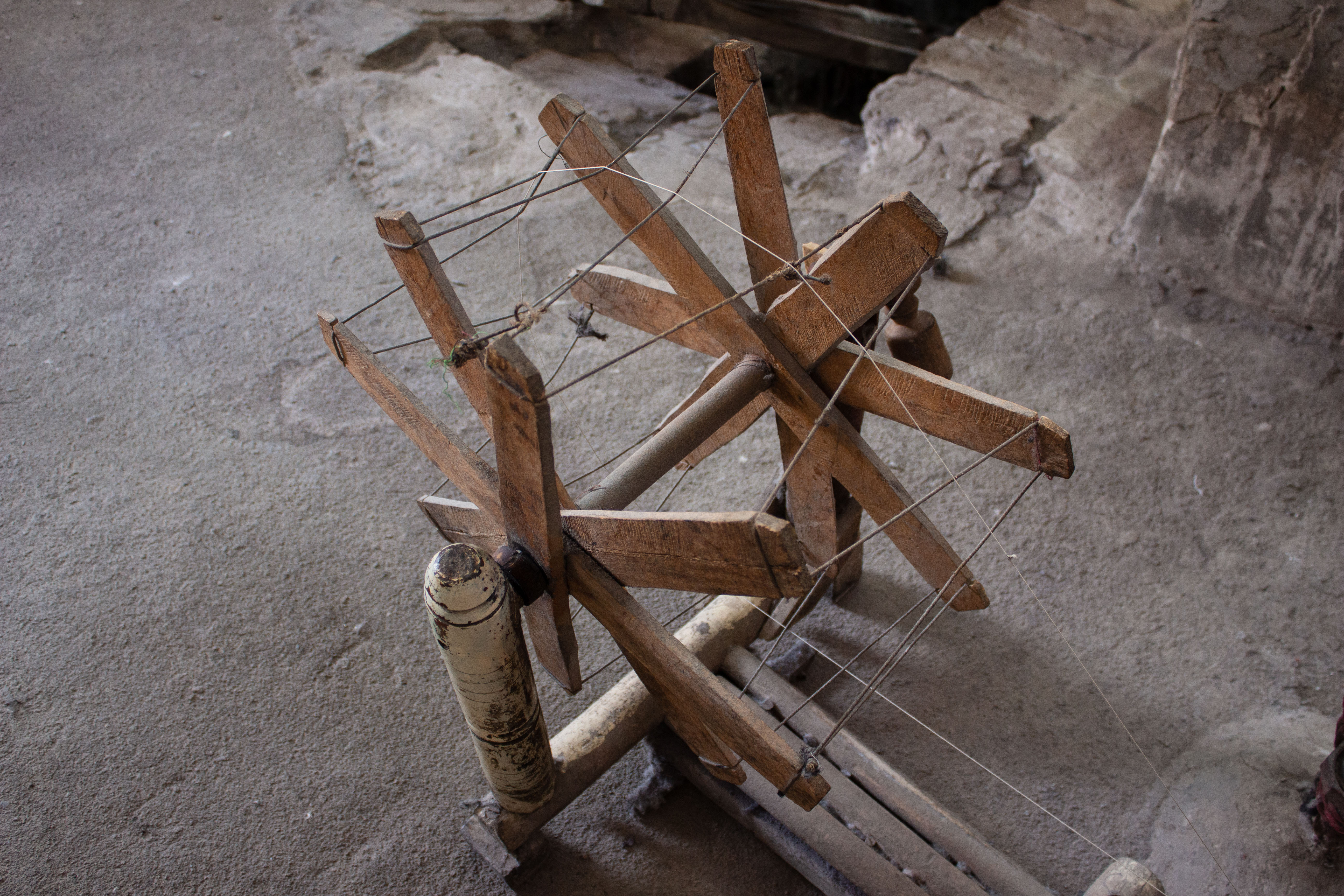
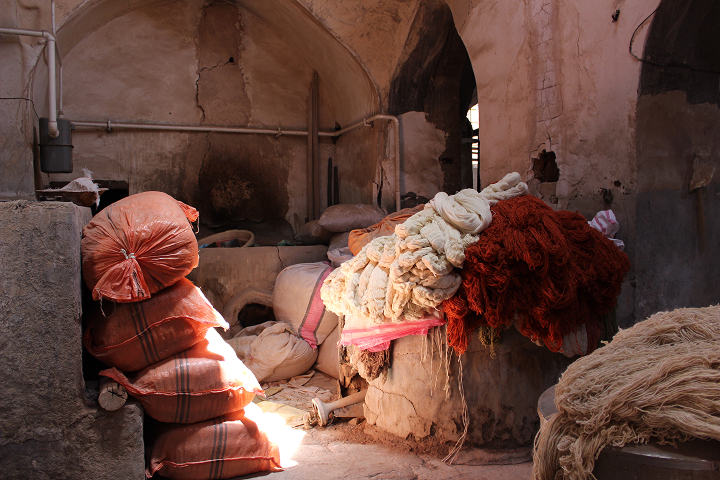
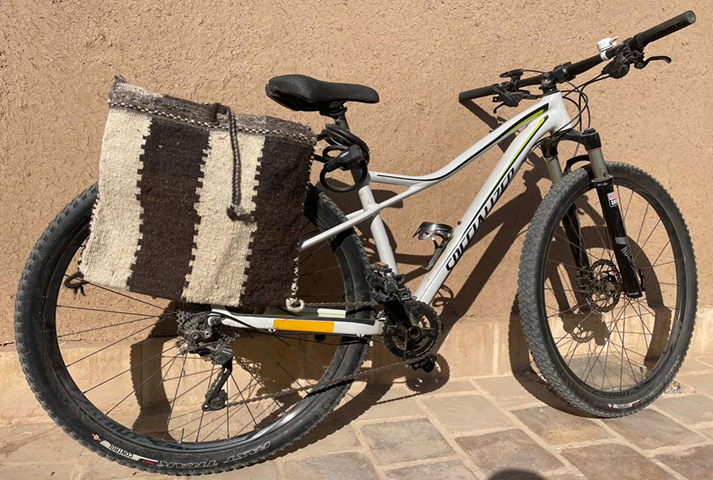
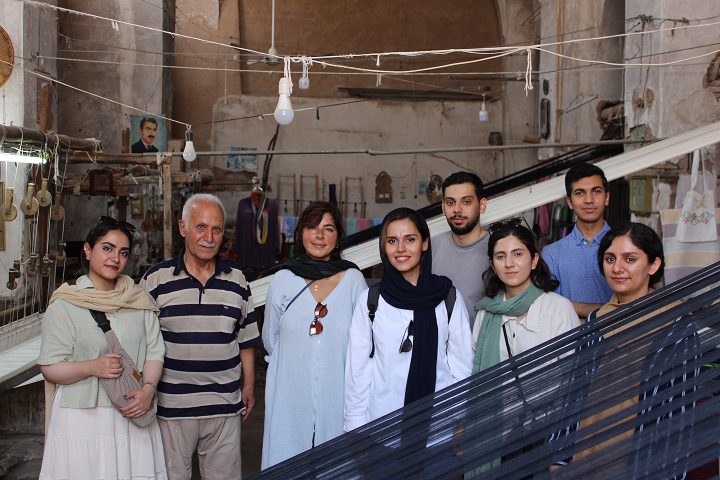
At No__Land, we develop projects that explore how design can engage with traditional crafts in regions undergoing environmental and social transitions. Through collaborations with local artisans and cultural practitioners, we investigate how stories, skills, and material practices might adapt, transform, or resist in the face of change.
These projects are grounded in field visits and situated research, treating traditional objects not as static artifacts, but as evolving narratives. We use design to rediscover, reinterpret, and extend these narratives through processes of collaborative making and critical dialogue.
Workplace in transition